
Pear Core Vinegar
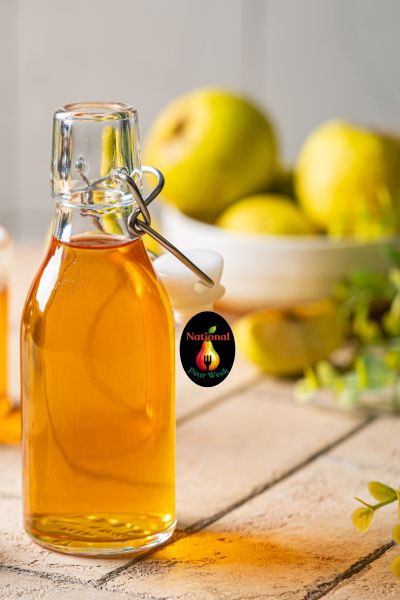
Transform leftover pear cores into a tangy and aromatic homemade pear vinegar. This zero-waste fermentation project takes a few weeks but requires minimal effort and yields a versatile vinegar with a subtle fruity note. Ideal for adding depth to dressings, sauces, or even household cleaning routines. Makes about 1 to 1½ cups of vinegar .
Used For:
Salad Dressings: Adds a mild fruity tang to vinaigrettes.
Marinades: Tenderizes and flavors meats, tofu, or veggies.
Sauces & Glazes: Enhances complexity in sauces, reductions, or glazes.
Pickling: Great for pickling vegetables with a subtle fruit note.
Natural Cleaning: Can be diluted for eco-friendly household cleaning.
Digestive Aid: Some people enjoy a splash in water as a digestive tonic.
Cocktails & Mocktails: Adds a unique twist in drinks.
Ingredients
For Syrup:
What To Do
-
To prepare jar
-
Place pear cores into a clean glass jar.
- Add sugar and water by dissolving or honey in filtered water, then pour over the pear cores to fully cover them.
- Add 1–2 tablespoons of raw apple cider vinegar to jump-start fermentation (optional but speeds up the process).
- Cover the jar with a clean cloth or coffee filter secured with a rubber band — this lets air in but keeps bugs out.
-
-
To Ferment:
5. Store in a dark, warm place (18–27°C) for 3–4 weeks. Stir the mixture every few days to prevent mold.
-
To Strain:
6. After 3–4 weeks, strain out the solids and return the liquid to the jar. Cover again and let ferment for another 3–4 weeks, tasting periodically until it reaches the vinegar acidity you like.
-
To bottle and store:
7. Once ready, bottle the vinegar and store it in the fridge or a cool, dark cupboard.
If you see mold on top, carefully skim it off — it’s normal as long as the smell isn’t off-putting.
